Ngohiong Recipe (Cebu’s Crispy Lumpia)
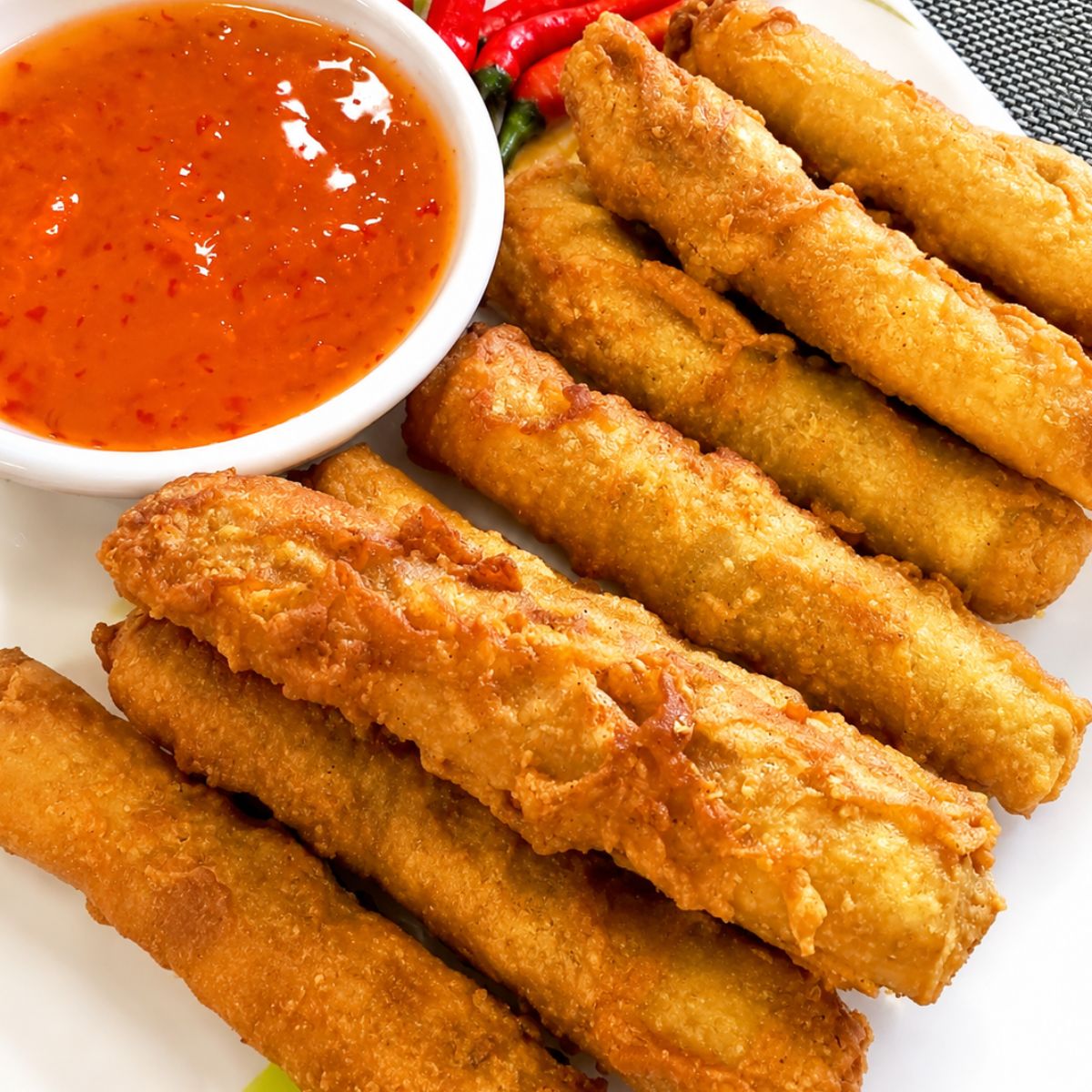
Ngohiong is a famous street food from Cebu that is described as a crispy Filipino spring roll with a delicious Chinese-inspired flavor. It is filled with vegetables and pork seasoned with Chinese five-spice powder, wrapped in lumpia wrapper, dipped in batter, then deep-fried . Unlike regular lumpia, Ngohiong has a savory aroma from the five-spice seasoning and is served with a dipping sauce.
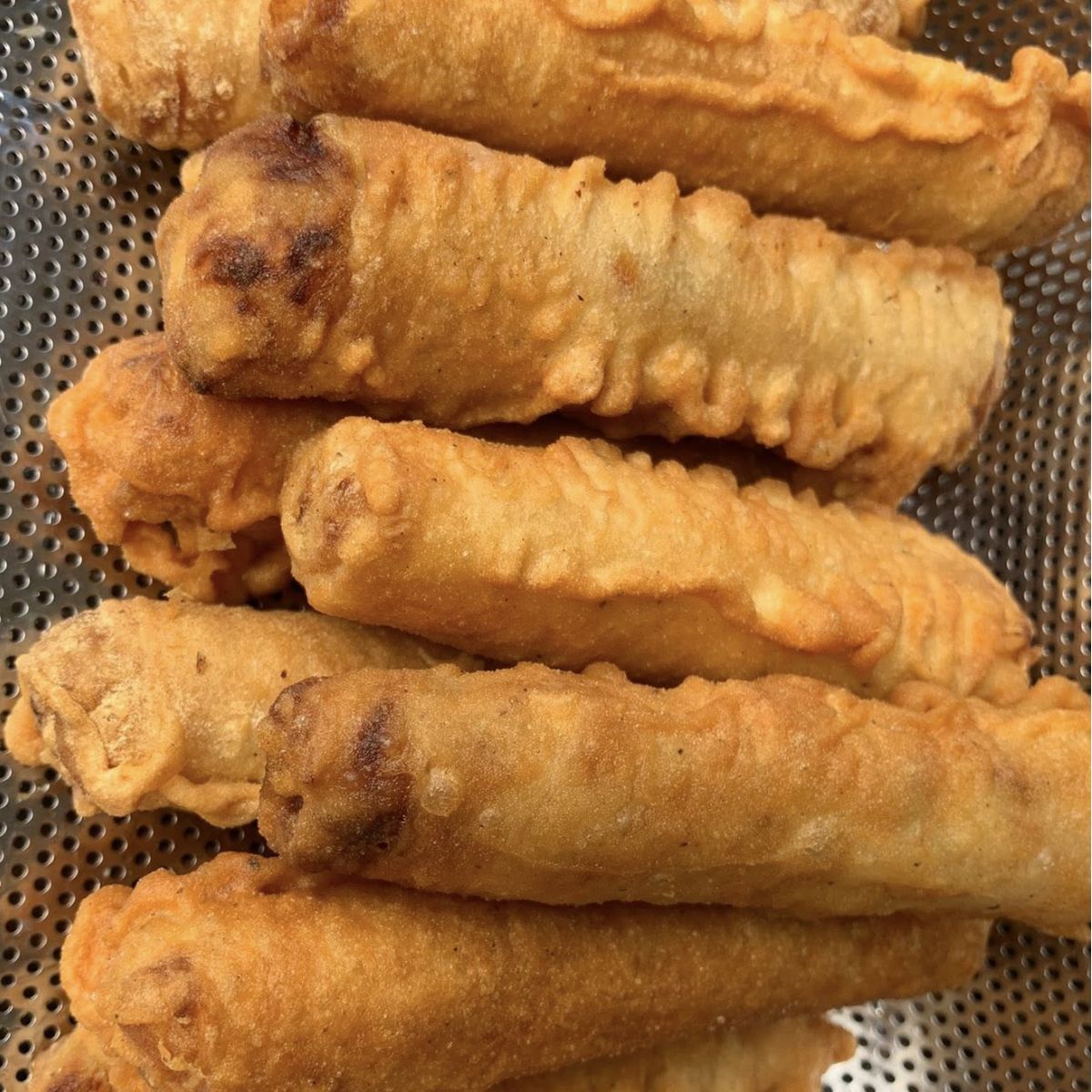

The first time I tasted Ngohiong was during a food trip in Cebu. I remember hearing the crackling sound of the fried rolls while standing beside a tiny stall near a busy street corner. I honestly thought it was just another lumpia. After the first bite, I realized it was different. The crispy coating, the juicy filling, and that five-spice flavor made it so delicious... I want more!
When I started recreating it at home, I wanted a version that still tasted authentic but was easy enough for beginners to make. I found that keeping the filling simple and balancing the vegetables with the pork gives the best result. Here is my version of it. I hope you enjoy it as much as I do.

Ingredients
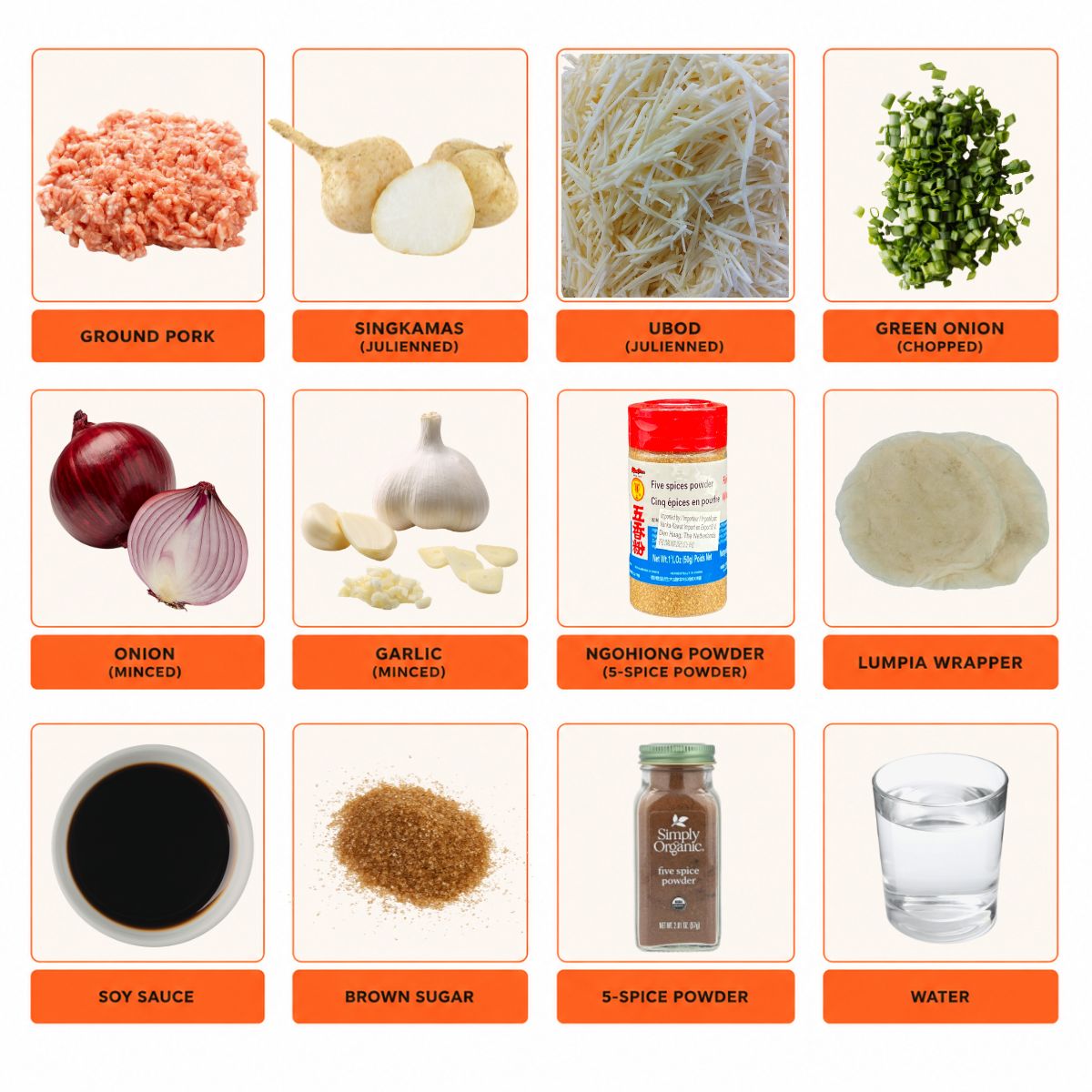
- 3 to 4 cups ubod, julienned
- 1 medium singkamas (jicama), julienned
- 1 pound ground pork
- 5 cloves garlic, minced
- 1 medium onion, minced
- 1 bundle green onions, chopped
- 3 tablespoons Chinese five-spice powder
- Cooking oil
- Salt and pepper to taste
For the Batter
- 2 cups cornstarch
- 1 ½ cups water
- 3 teaspoons paprika
- 1 teaspoon white pepper powder
- Lumpia wrappers
For the Dipping Sauce
- 2 tablespoons soy sauce
- 2 tablespoons brown sugar
- ¼ teaspoon Chinese five-spice powder
- 5 tablespoons water
- ½ teaspoon cornstarch
- 1 egg white, lightly beaten
I chose ubod and singkamas because they give Ngohiong its signature crunch without making the filling too heavy. The ground pork adds richness and flavor, while the green onions keep everything aromatic. Chinese five-spice powder is the star ingredient because it gives Ngohiong its authentic Cebuano taste.
For the batter, cornstarch creates a crispy coating that stays crunchy longer compared to regular flour batter. The dipping sauce balances everything out perfectly with sweet, savory, and spiced flavors.
How To Cook Ngohiong
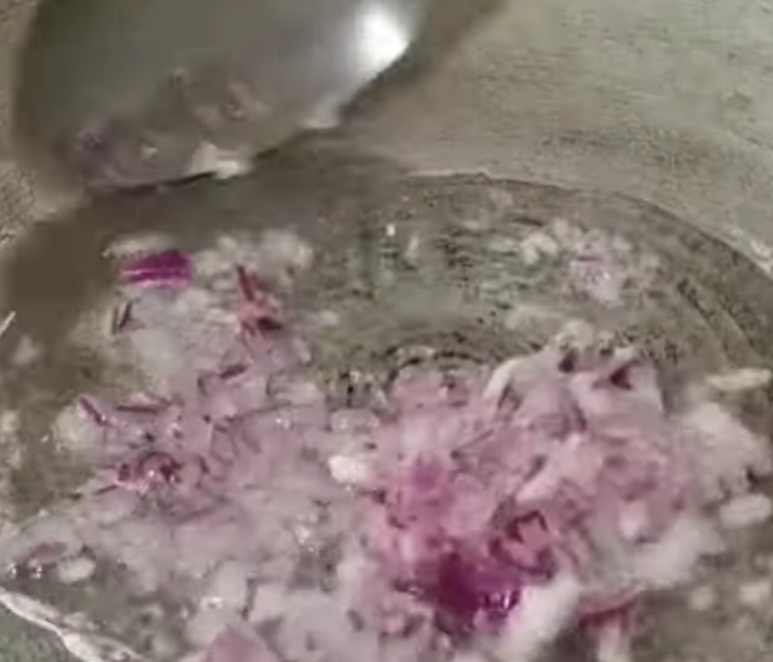
Step 1
Heat a little oil in a pan. Sauté the garlic and onion.
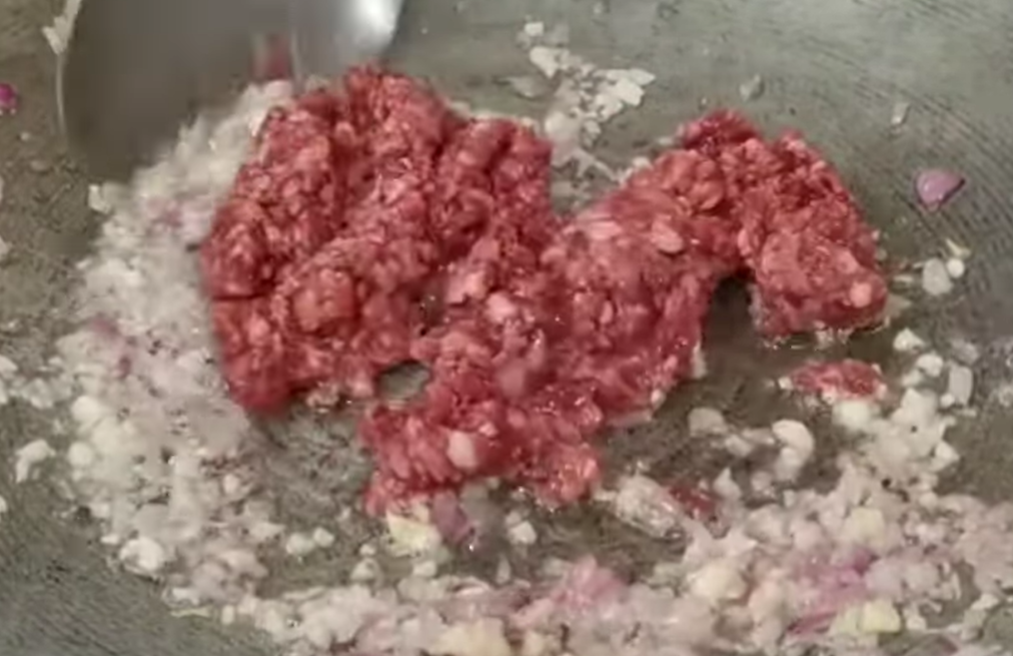
Step 2
Add the ground pork and cook until lightly browned. Pour in ¼ cup water and let it simmer for about 10 minutes.
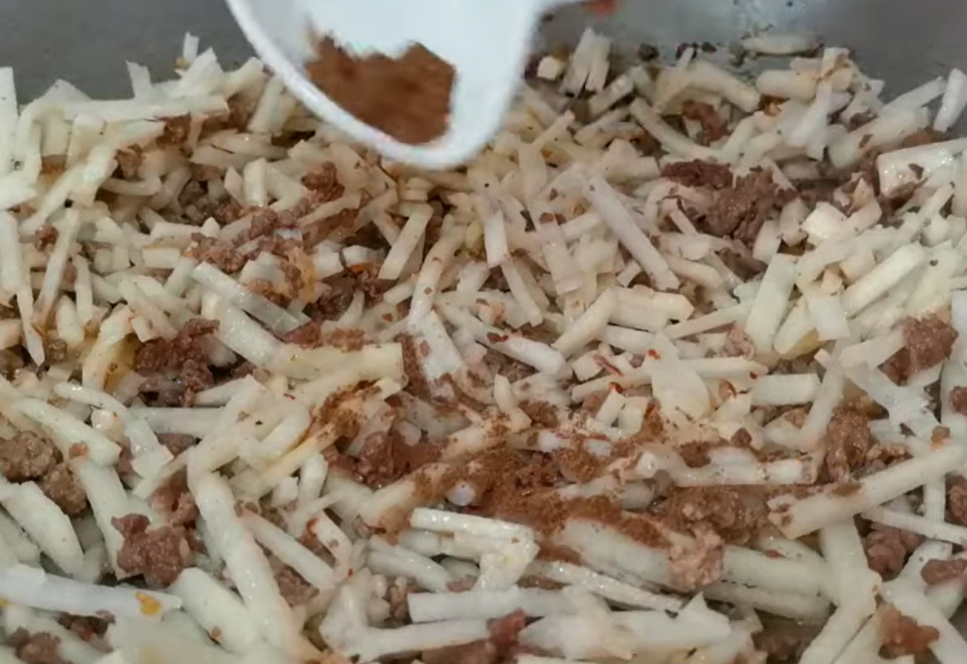
Step 3
Add the Chinese five-spice powder, ubod, singkamas, and green onions. Cook for 3 minutes. Season with salt and pepper. Drain excess oil and let the filling cool.
Step 4
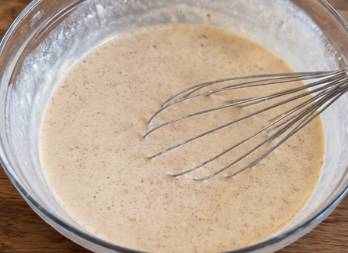
In a bowl, combine cornstarch, water, paprika, and white pepper powder to make the batter.
Step 5
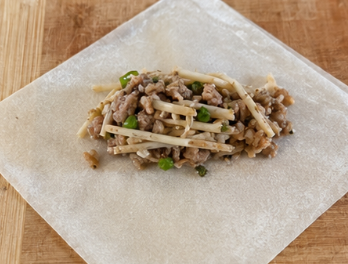
Place 1 to 2 tablespoons of filling in the center of a lumpia wrapper. Fold the sides inward and roll tightly. Seal the edge with water.
Step 6
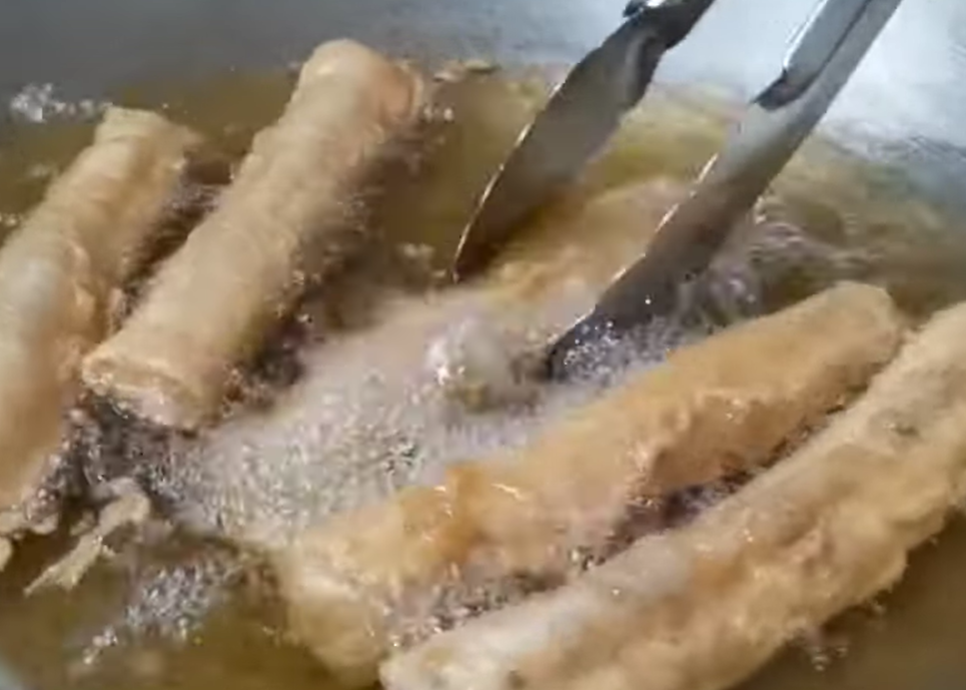
Heat oil over medium-low heat. Dip each wrapped Ngohiong into the batter, then carefully deep fry until golden brown and crispy.
Step 7
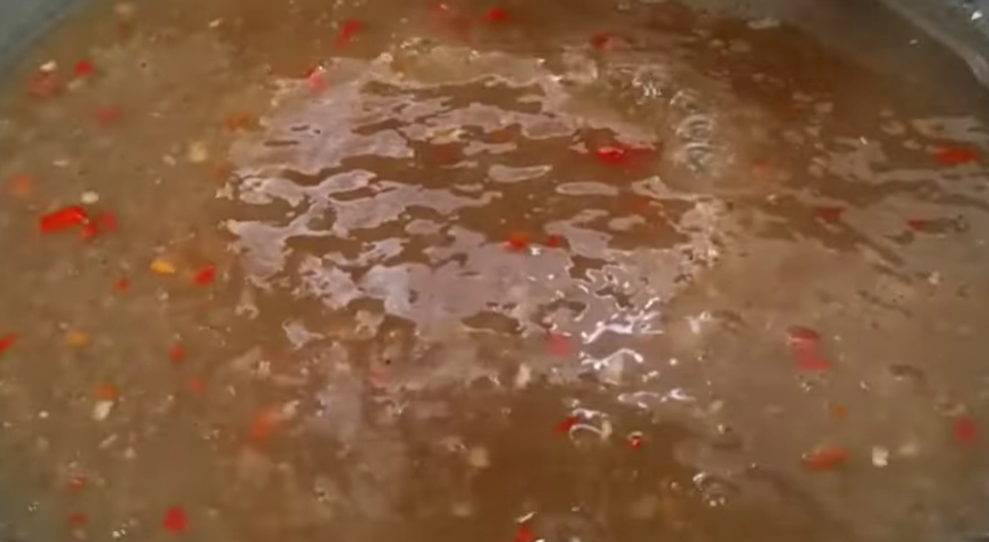
For the sauce, combine soy sauce, brown sugar, five-spice powder, water, and cornstarch in a saucepan. Simmer while stirring until smooth.
Step 8
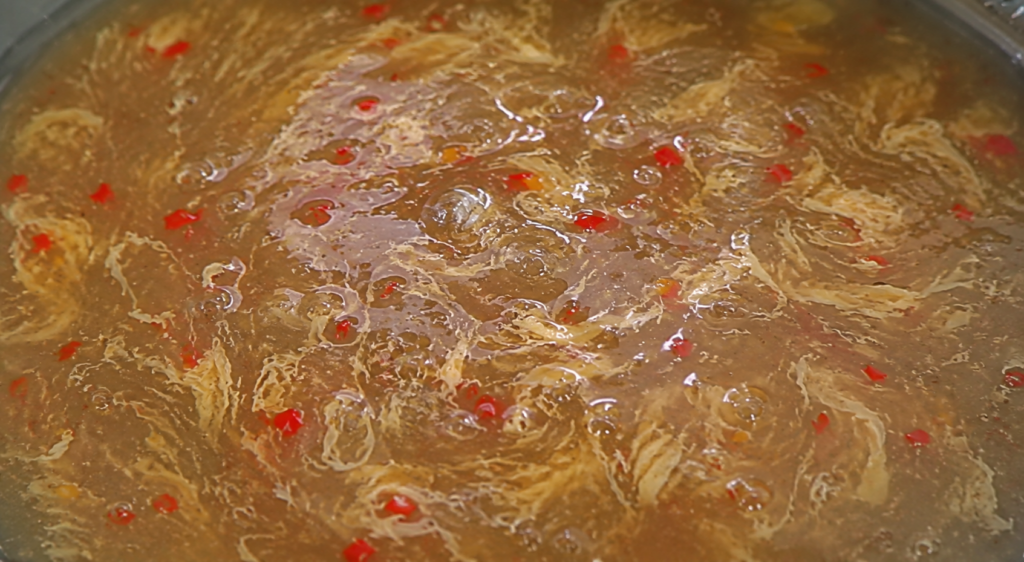
Slowly pour in the egg white while whisking gently to create thin egg strands. Let the sauce cool slightly before serving with the crispy Ngohiong.
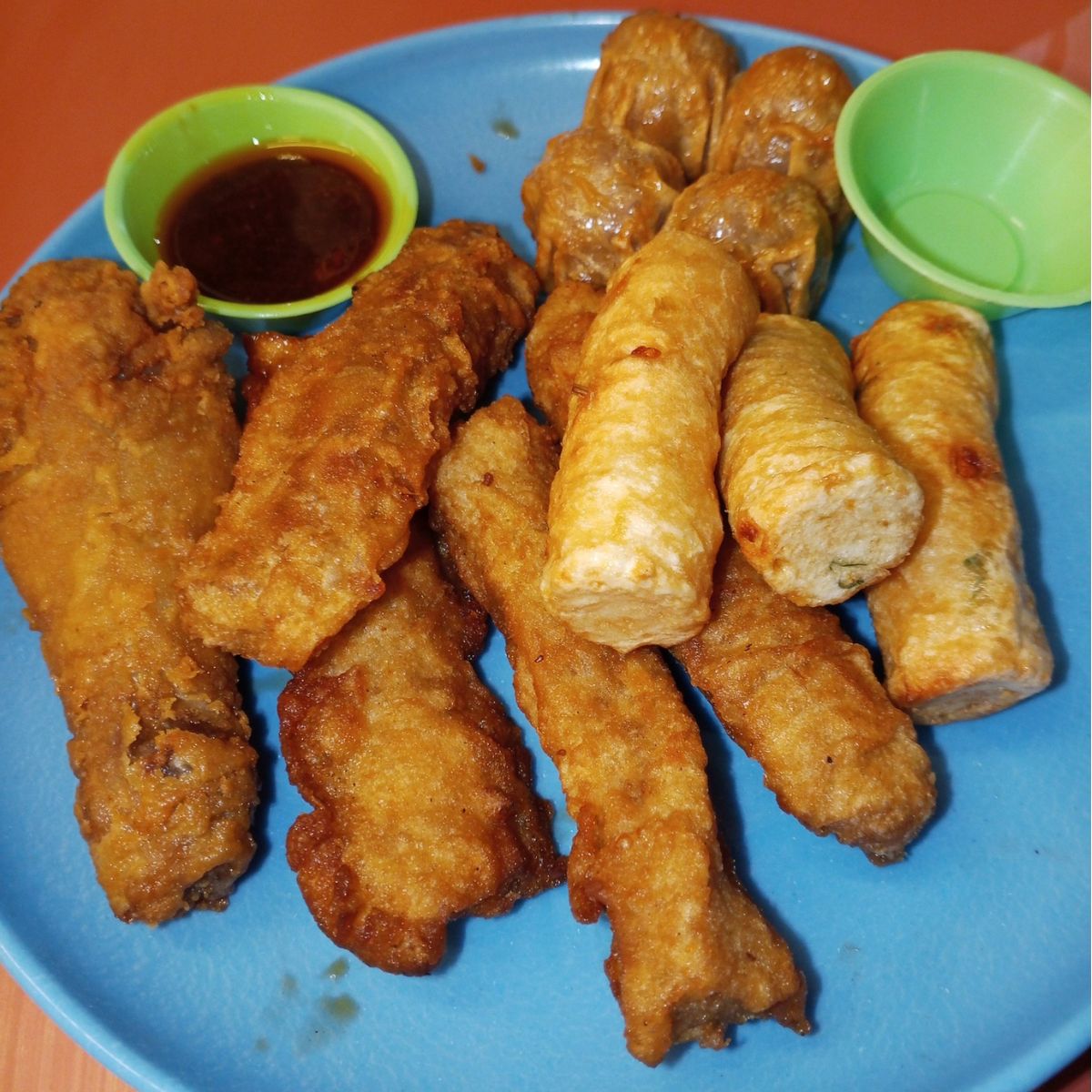
Ngohiong is best served hot and freshly fried while the wrapper is still crispy. I love serving it as merienda with ice-cold soft drinks or iced tea. You can also turn it into a full meal by pairing it with rice and dipping sauce on the side. For parties, I like slicing each roll into smaller bite-sized pieces (children love this!).
Personal Tips
The secret to crispy Ngohiong is frying it over medium-low heat instead of high heat. This allows the wrapper and batter to become evenly crunchy without burning. I also recommend draining the filling well before wrapping because excess moisture can make the lumpia soggy.
If you want authentic Cebu flavor, add a little more five-spice powder gradually until it matches your preference. Just don't overdo it because the spice can become overpowering very quickly. For extra crunch, let the wrapped Ngohiong rest for a few minutes before frying.
FAQ
Ngohiong tastes savory, slightly sweet, and aromatic because of the Chinese five-spice powder. It has a crispy exterior and juicy filling.
Yes. Some people add carrots, cabbage, or bamboo shoots depending on availability.
Yes. You can prepare and wrap in advance, then store them in the refrigerator before frying.
Absolutely. Arrange the wrapped rolls in a container and freeze them uncooked. Fry directly from frozen when ready to eat.
Ngohiong uses Chinese five-spice seasoning and a crispy batter coating, giving it a more flavorful and crunchier texture compared to regular lumpia.
The classic sweet-and-savory egg drop sauce is the most popular pairing for authentic Cebu-style Ngohiong.
Recipe Card
Ngohiong Recipe (Cebu's Crispy Lumpia)
Ingredients
Method
- Heat a little oil in a pan. Sauté the garlic and onion until fragrant.
- Add the ground pork and cook until lightly browned. Pour in ¼ cup water and let it simmer for about 10 minutes.
- Add the Chinese five-spice powder, ubod, singkamas, and green onions. Cook for 3 minutes. Season with salt and pepper. Drain excess oil and let the filling cool.
- In a bowl, combine cornstarch, water, paprika, and white pepper powder to make the batter.
- Place 1 to 2 tablespoons of filling in the center of a lumpia wrapper. Fold the sides inward and roll tightly. Seal the edge with water.
- Heat oil over medium-low heat. Dip each wrapped Ngohiong into the batter, then carefully deep fry until golden brown and crispy.
- For the sauce, combine soy sauce, brown sugar, five-spice powder, water, and cornstarch in a saucepan. Simmer while stirring until smooth.
- Slowly pour in the egg white while whisking gently to create thin egg strands. Let the sauce cool slightly before serving with the crispy Ngohiong.