Easy Filipino Pork Adobo
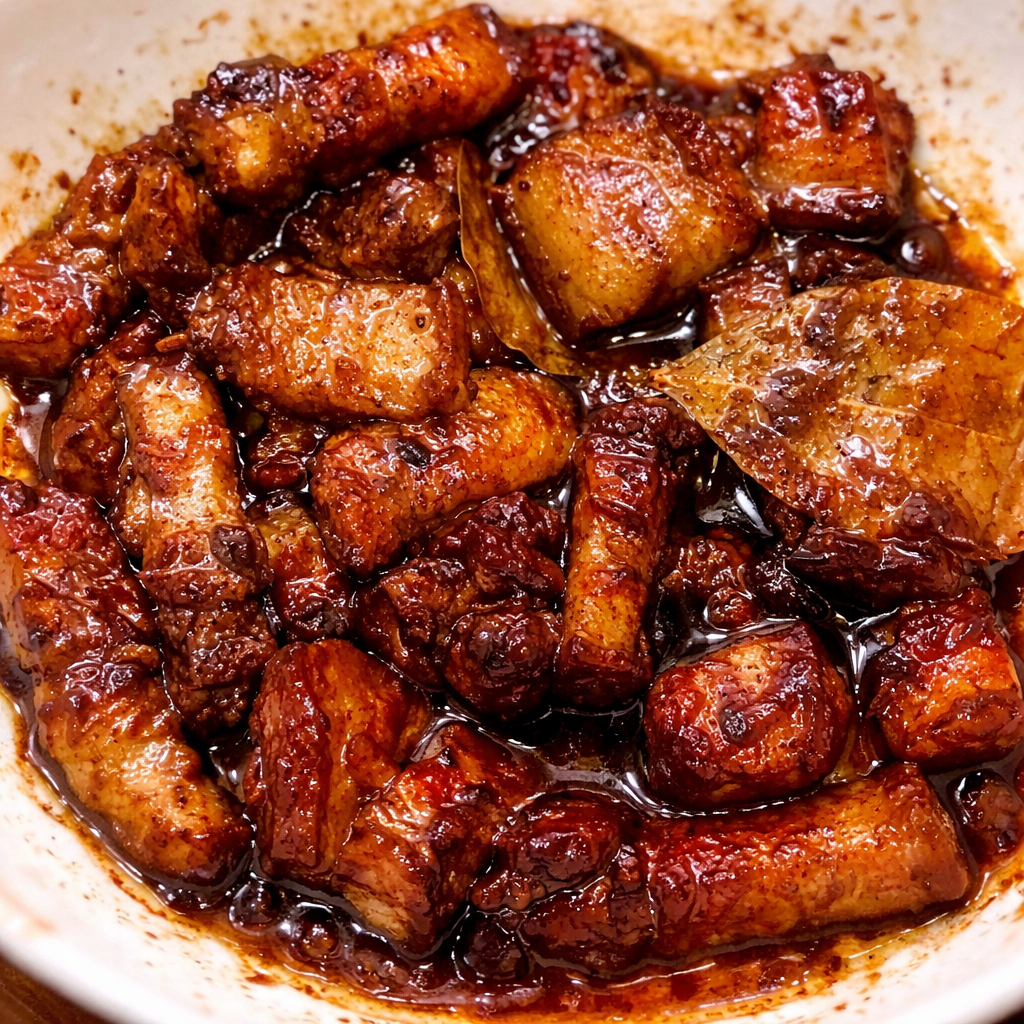
Pork Adobo is one of the most iconic Filipino dishes ever created. It's a humble mix of soy sauce, vinegar, garlic, and bay leaves transformed into a flavorful ulam. Every Filipino household has their own version. This is my Taste Pinas style: malasa, tender, may tamang alat-asim balance, and perfect with rice.

I learned to cook Pork Adobo from my Lola, who used to make this dish whenever the whole family gathered in her tiny kitchen. I grew up watching her sauté garlic until it smelled just right and wait before stirring in the vinegar. She's no longer with us, but every time I cook this version, it reminds me of her.

Ingredients
Main Ingredients
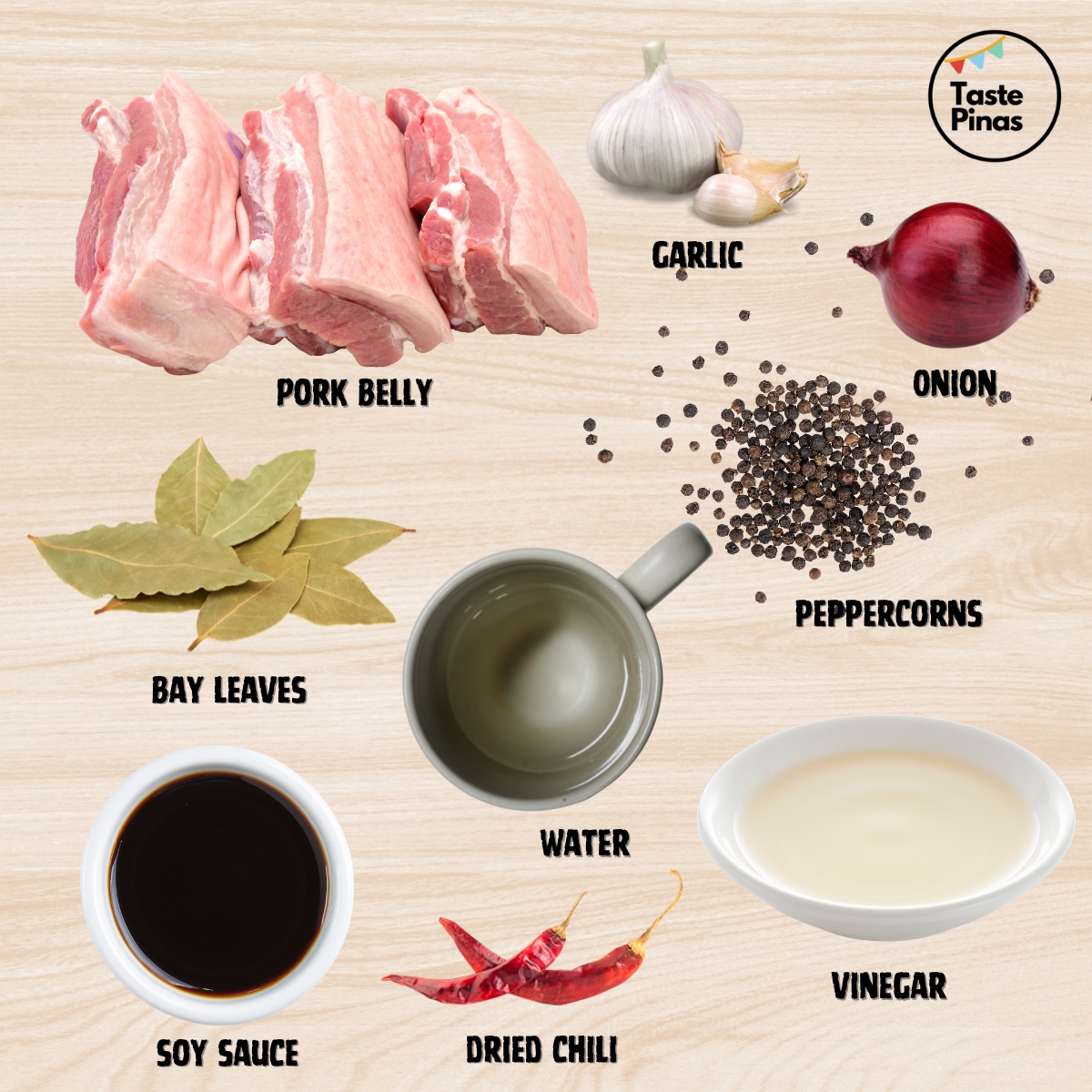
- 1 kg pork belly (liempo), chopped
- 1 head garlic, crushed
- 1 medium onion, sliced
- 3 pcs bay leaves
- 1 teaspoon whole peppercorns
- ½ cup soy sauce
- ½ cup vinegar
- 1 cup water
- 2 tablespoon cooking oil
- 1 tablespoon brown sugar (optional)
Optional Add-ons
- Boiled eggs
- Potatoes, quartered
- Dried chili (for spicy adobo)
I chose these ingredients because they're exactly what my Lola used in her classic pork adobo. These are simple, affordable, and easy to find in any Filipino kitchen. Pork belly gives the perfect balance of lambot and linamnam, while garlic, soy sauce, vinegar, and bay leaves create that familiar adobo aroma I grew up with. I keep the ingredients uncomplicated on purpose. Adobo doesn't need anything fancy to taste amazing. Sometimes, the best recipes are the ones that stay true to their roots.
How to Make My Filipino Pork Adobo
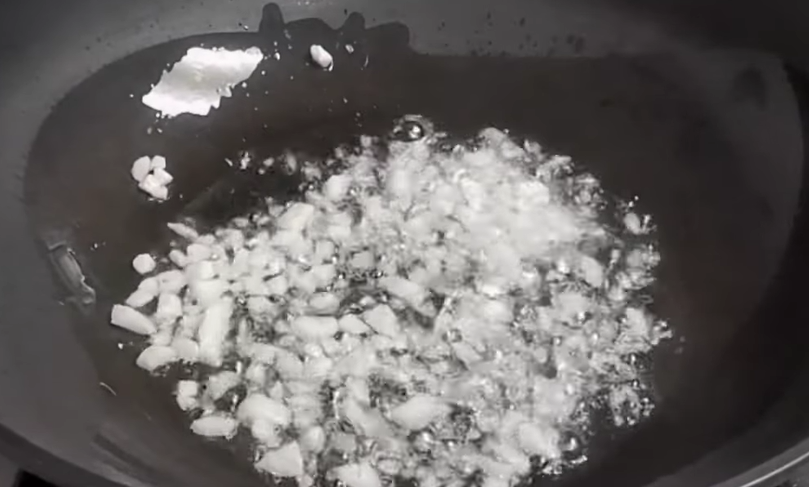
Step 1
Sauté aromatics. Heat oil in a pot. Add garlic and sauté until lightly browned. Add onions and cook until soft and fragrant.

Step 2
Brown the pork. Add the pork belly and cook until the edges start to brown and fat begins to render.
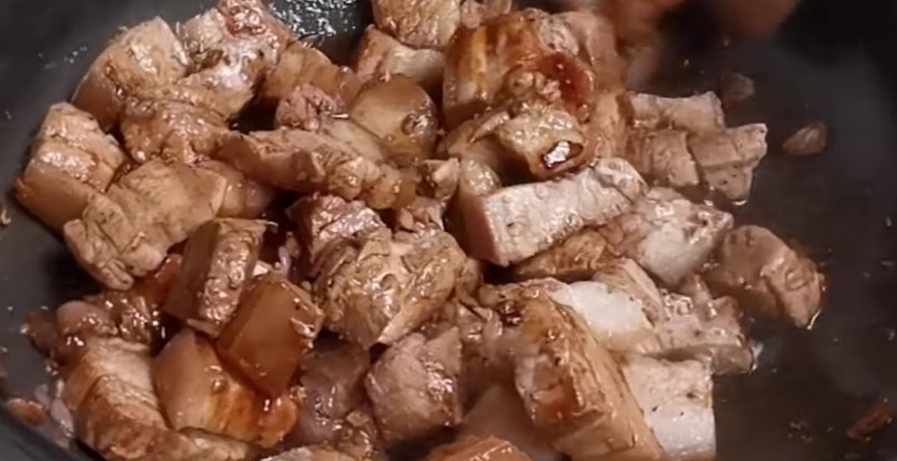
Step 3
Add soy sauce + spices. Pour in the soy sauce, peppercorn, and bay leaves. Cook for a few minutes so the pork absorbs flavor.
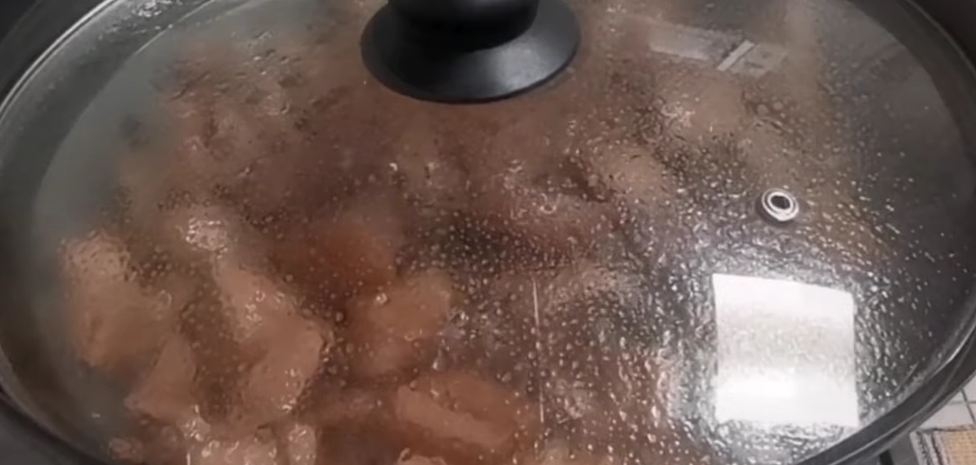
Step 4
Add water and simmer. Pour in the water. Bring to a boil, then lower the heat. Cover and simmer for 35-45 minutes or until pork is tender.
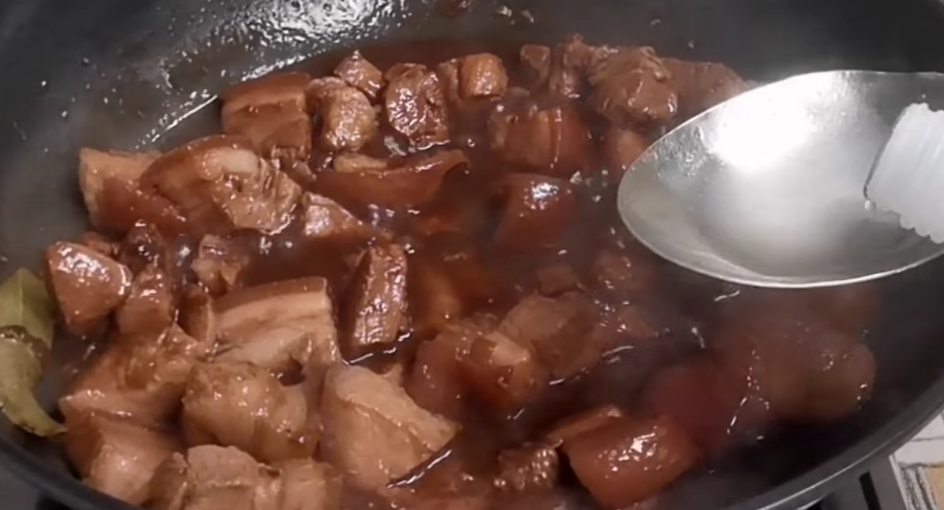
Step 5
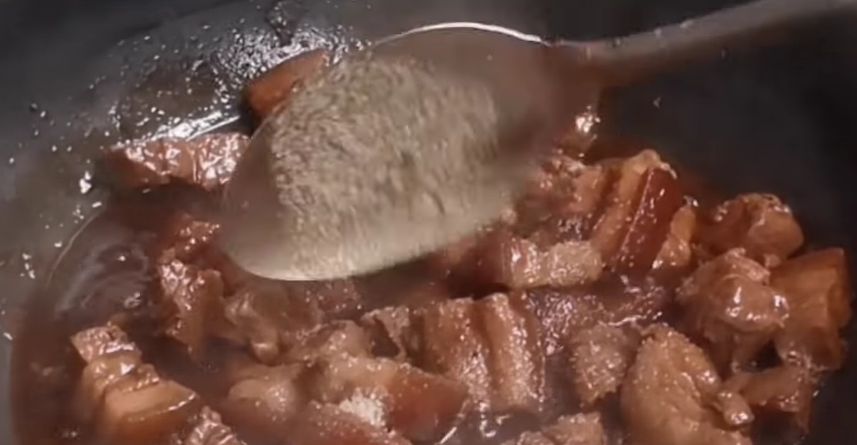
Add vinegar (don't stir yet. Pour vinegar on top and let it boil untouched for 1-2 minutes. This prevents the raw sour taste.
Step 6
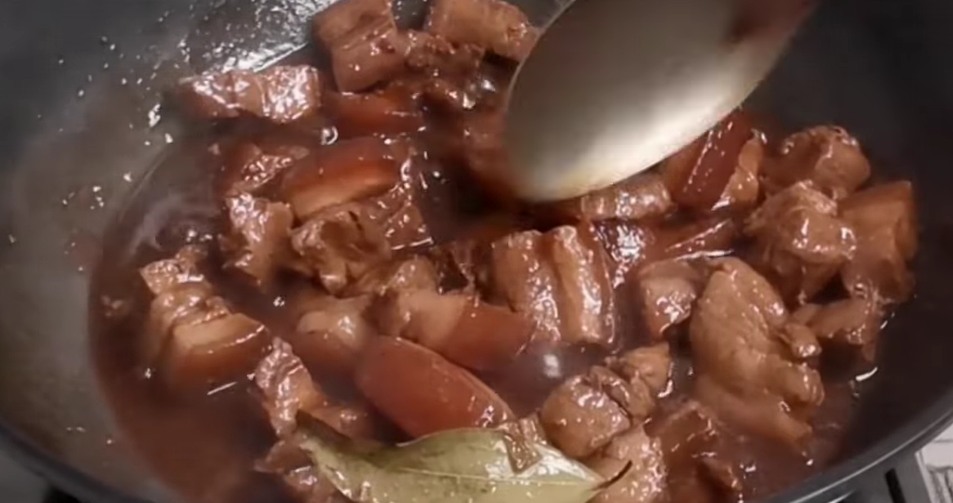
Reduce the sauce. Stir gently, add brown sugar if using, and simmer until the sauce thickens to your liking.
Step 7
Taste and adjust. Add a bit more soy sauce for saltiness or water if the sauce reduces too much. Add dry chili if you want it to be spicy.
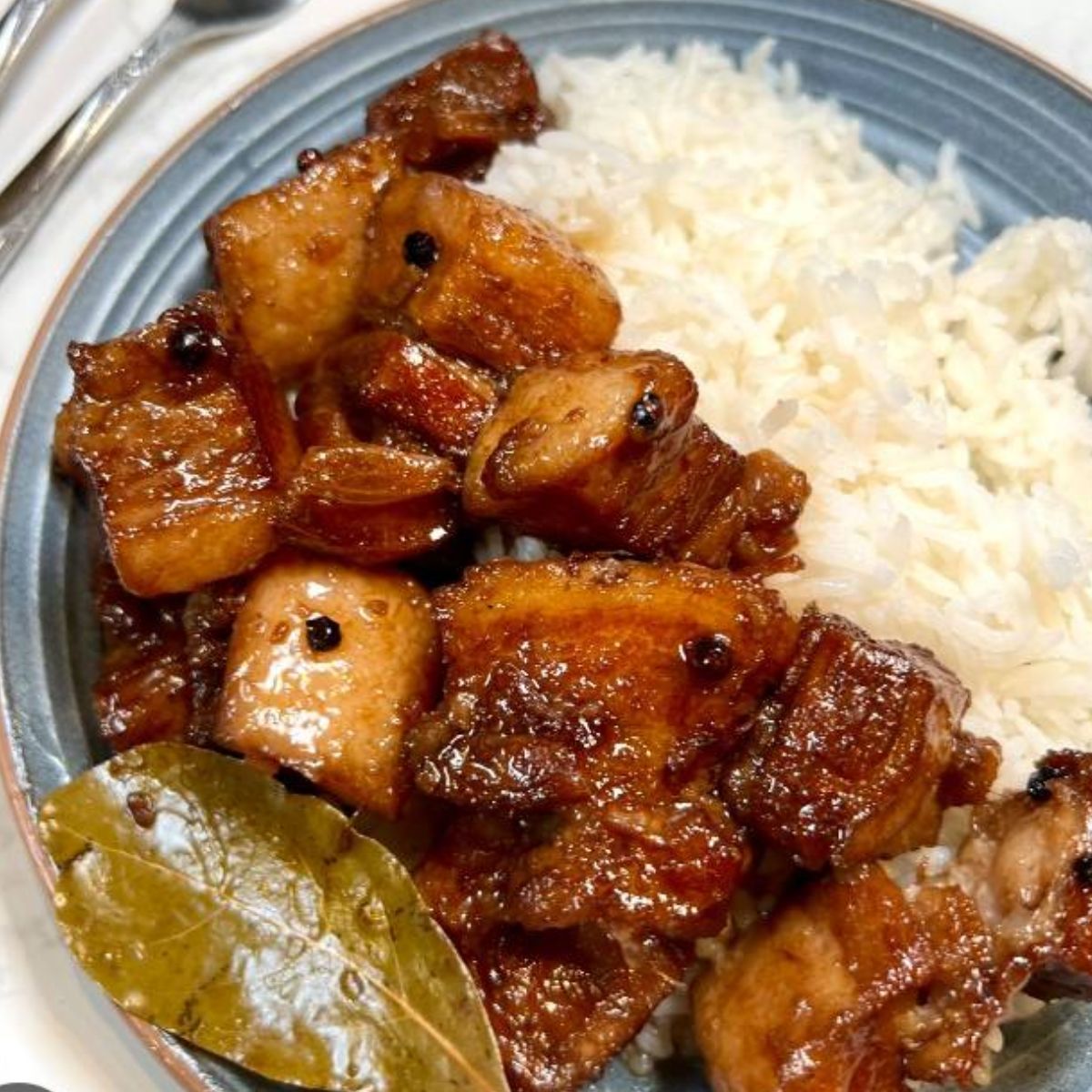
Pork Adobo is best served with lots of freshly steamed rice. It also pairs well with atchara for a little sweetness and crunch, garlic kangkong for veggies, or a sunny-side-up egg if you're feeling like adobosilog. Leftovers also taste amazing with fried rice the next day.
My Personal Tips
One thing I learned from watching my Lola is to never rush the simmering. Low and slow always makes the pork extra tender. I also like browning the liempo a bit longer to bring out that toasted flavor that makes the sauce richer. If you want a thicker, stickier adobo, just let it reduce uncovered during the last few minutes. And don't be afraid to adjust depending on your taste, adobo becomes yours the more you play with it.
FAQ
Pork belly is the most popular. But you can also use pork shoulder or pork ham if you prefer a leaner option.
Letting the vinegar boil without stirring helps lessen the acidity. Stirring too early can make the sauce taste too sour.
You can add more water or broth while simmering. Adjust the soy sauce afterward so it doesn't become too salty.
Cook uncovered in the last 10-15 minutes, allowing the sauce to reduce until it becomes thick and coats the pork.
Yes! That version is called Adobong Puti, which uses vinegar, garlic, peppercorn, and bay leaves.
It keeps well for 4 to 5 days because the vinegar acts as a natural preservative. Many say it tastes even better the next day!
Absolutely. Store it in an airtight container and freeze for up to a month. Reheat gently over low heat.
Cane vinegar is the most traditional, but white vinegar works too. Avoid flavored vinegars because they can change the classic taste.
Recipe Card
Easy Filipino Pork Adobo
Ingredients
Method
- Heat oil in a pot. Add garlic and sauté until lightly browned. Add onions and cook until soft and fragrant.
- Add the pork belly and cook until the edges start to brown and fat begins to render.

- Pour in the soy sauce, peppercorn, and bay leaves. Cook for a few minutes so the pork absorbs flavor.

- Pour in the water. Bring to a boil, then lower the heat. Cover and simmer for 35-45 minutes or until pork is tender.

- Pour vinegar on top and let it boil untouched for 1-2 minutes. This prevents the raw sour taste.
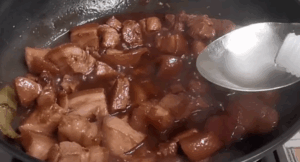
- Stir gently, add brown sugar if using, and simmer until the sauce thickens to your liking.

- Add a bit more soy sauce for saltiness or water if the sauce reduces too much. Add dry chili if you want it spicy.
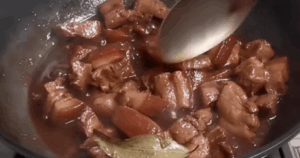
- Serve and enjoy!

Nutrition
Notes
- Saucy or dry: Add more water for saucy adobo; reduce longer for a thick, sticky glaze.
- Healthier option: Swap half the soy sauce with broth to lessen sodium.
- Adobo flakes: Shred leftover pork and fry until crisp for breakfast.
- Lean option: Use kasim or shoulder if you want less fat.