Sinanglaw Recipe
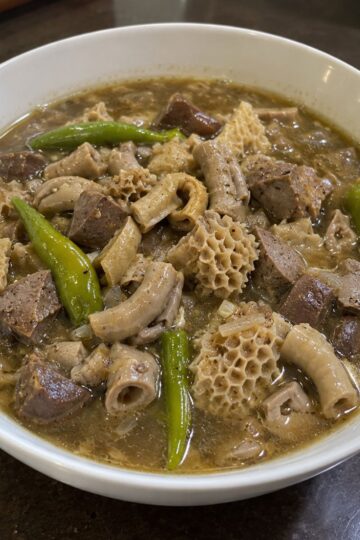
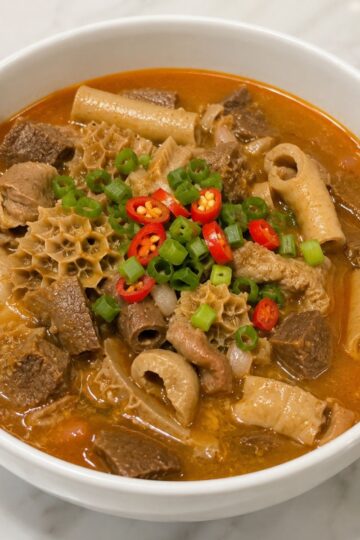
Sinanglaw is a Filipino soup dish made with beef innards, like tripe and intestines, simmered in a gingery broth with sour kamias and bitter beef bile or ampalaya. It's famous in the Ilocos region and is often enjoyed as pulutan. If you've never tried dishes made with beef organs before, think of Sinanglaw as a mix between a sour beef soup and a rich stew with a slightly bitter kick.
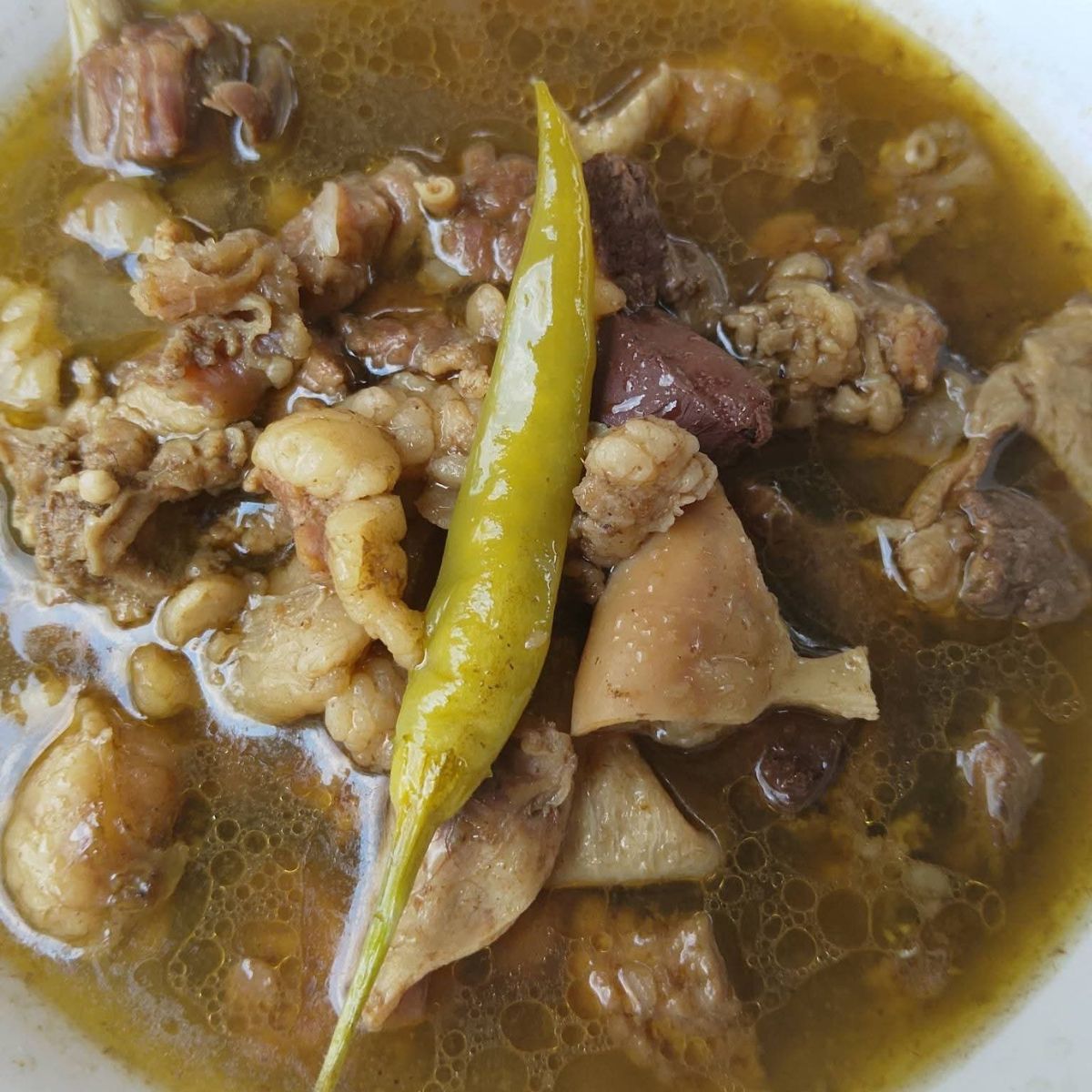

The first time I tried Sinanglaw, I thought someone accidentally dropped "too much personality" into the pot. It was sour, bitter, gingery, funky, and comforting all at once. I remember staring at the bowl like it personally offended me. Then five minutes later, I was asking for extra rice. It was that good.
I learned how to cook this dish from an old carinderia owner while on a trip in Ilocos. I suggest you try this yourself, it's not as bad as you might initially think it is. It's the kind of dish that separates adventurous eaters from people who think black pepper is spicy.... and I respect both groups.

Ingredients
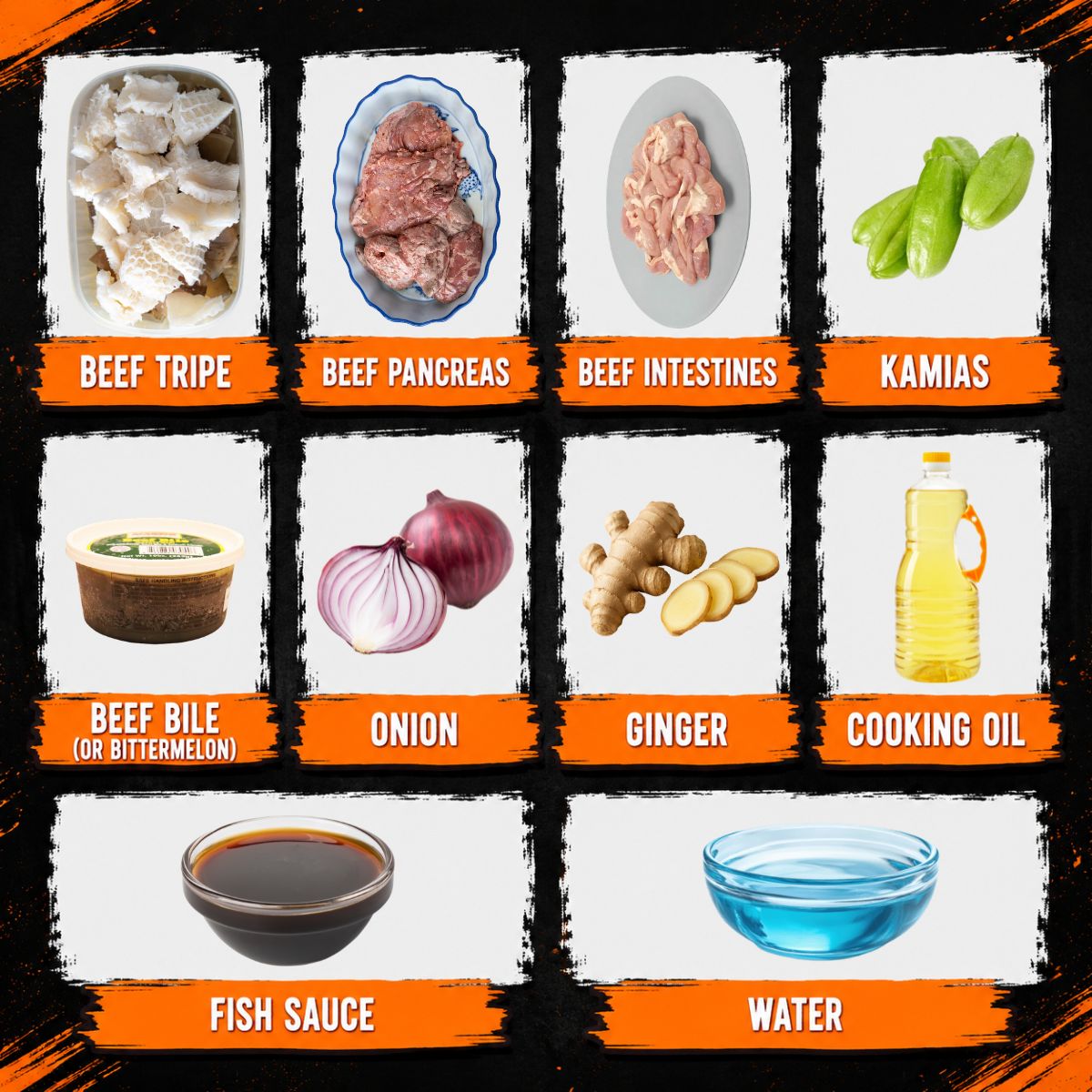
- 250 grams beef tripe
- 250 grams beef pancreas
- 250 grams beef intestines
- 1 cup kamias, sliced
- 3 tablespoons beef bile or ½ cup bitter melon (ampalaya), chopped
- 1 large onion, chopped
- 1 small knob ginger, chopped
- 2 tablespoons cooking oil
- Fish sauce, to taste
- 6 cups water
Every ingredient in Sinanglaw has a purpose. The beef tripe and intestines give the soup its meaty flavor and chewy texture. Ginger helps remove any strong odor from the innards. Kamias brings natural sourness, while beef bile or ampalaya adds the bitterness that makes Sinanglaw unique.
This is not a soup that plays safe. The flavors are loud, unapologetic, and very Filipino. That's exactly why I love it.
How to Cook Sinanglaw

Step 1
Place the tripe, pancreas, and intestines in a pot with water. Bring to a boil for a few minutes, then discard the water. Rinse well and cut everything into bite-sized cubes.
Step 2
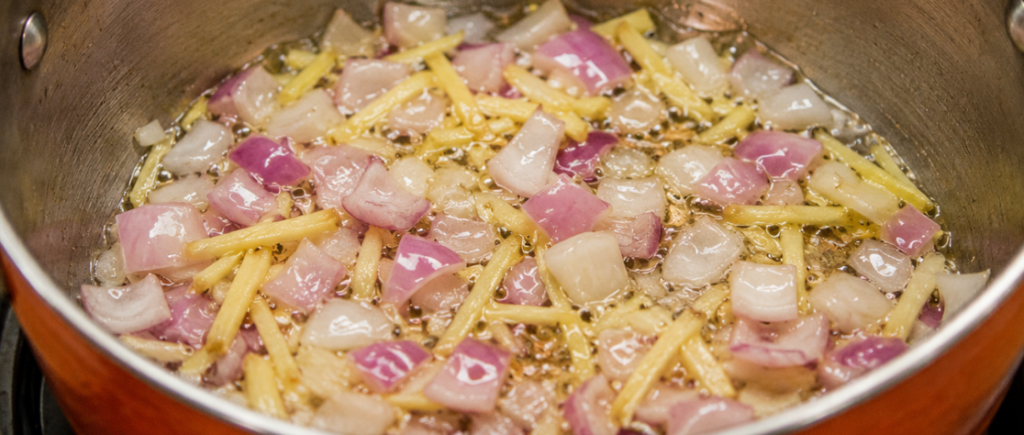
Heat cooking oil in a large pot. Sauté the onion and ginger until fragrant and the onions become soft.

Step 3
Add the chopped tripe, pancreas, and intestines. Stir and cook for about 30 seconds.

Step 4
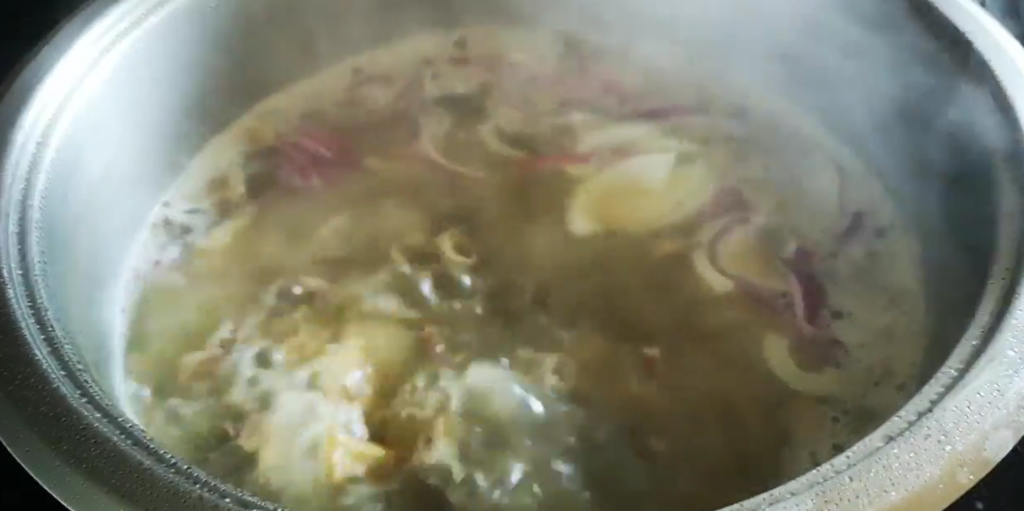
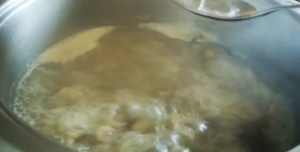
Add 6 cups of water and bring everything to a boil.

Step 5
Lower the heat and simmer for about 1 hour or until the tripe becomes tender.
Step 6
Add the kamias and beef bile or bitter melon. Simmer for another 5 minutes.

Step 7
Add fish sauce to taste. Adjust depending on how salty and flavorful you want the broth.
Step 8
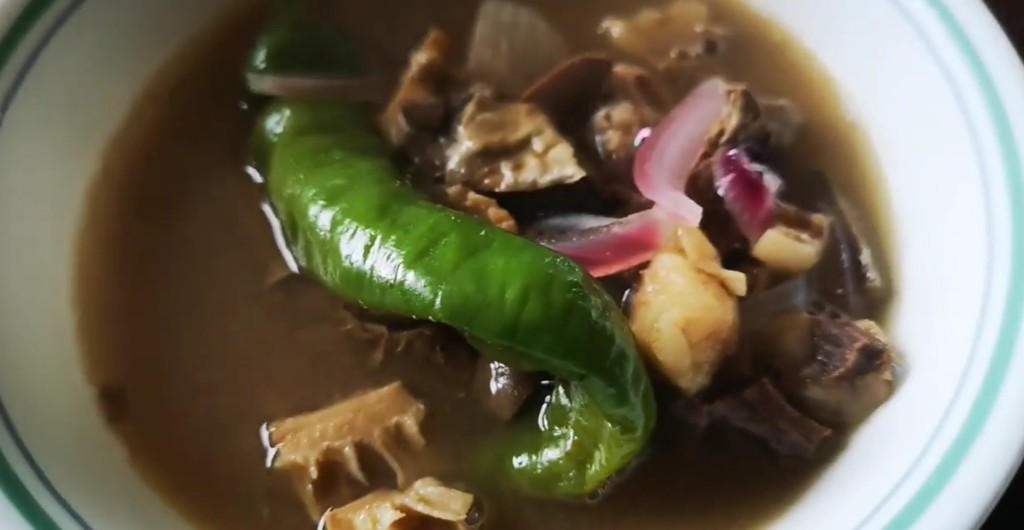
Transfer to a bowl and serve steaming hot.
Sinanglaw is best served hot with white rice. Some people enjoy it with calamansi and chili on the side for an extra kick.

Personal Tips
The biggest secret to good Sinanglaw is cleaning the beef innards properly. Don't rush this step. I like boiling and rinsing the organs twice for a cleaner taste.
If you can't find beef bile, bitter melon works well and is much easier to prepare. Start with a small amount first because bitterness can quickly overpower the soup.
Also, don't skip the ginger. Sinanglaw without ginger feels incomplete.
FAQ
Sinanglaw tastes sour, savory, gingery, and slightly bitter. The flavor is bold and rich, especially because of the beef innards and bile.
Beef bile is a bitter liquid taken from the gallbladder of cattle. It is traditionally used in some Filipino dishes to add bitterness and depth of flavor.
Yes. Bitter melon or ampalaya is a common substitute for beef bile and is easier to find in markets.
You can use a pressure cooker to significantly reduce cooking time. This helps soften the tripe and intestines faster.
Sinanglaw is high in protein, but since it uses beef organs, it's best enjoyed in moderation.
Sinanglaw is commonly associated with the Ilocos region in the Philippines.
Recipe Card
Sinanglaw Recipe
Ingredients
Method
- Place the tripe, pancreas, and intestines in a pot with water. Bring to a boil for a few minutes, then discard the water. Rinse well and cut everything into bite-sized cubes.

- Heat cooking oil in a large pot. Sauté the onion and ginger until fragrant and the onions become soft.

- Add the chopped tripe, pancreas, and intestines. Stir and cook for about 30 seconds.

- Add 6 cups of water and bring everything to a boil.

- Lower the heat and simmer for about 1 hour or until the tripe becomes tender.

- Add the kamias and beef bile or bitter melon. Simmer for another 5 minutes.

- Add fish sauce to taste. Adjust depending on how salty and flavorful you want the broth.
- Transfer to a bowl and serve steaming hot with plenty of rice.

Notes