
Ingredients
Method
- Place the pork in a deep pan or kawali. Add water, vinegar, salt, peppercorns, bay leaves, ground pepper, garlic, and lemongrass.

- Bring everything to a boil over medium heat.
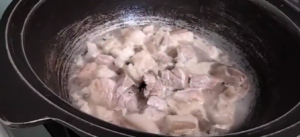
- Cover the pan and let the pork simmer until tender. Stir occasionally and add a little water if needed.

- Continue cooking until most of the liquid evaporates.

- Taste the sauce and adjust the seasoning if necessary.
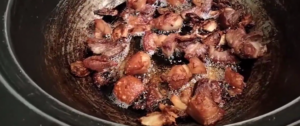
- Once the liquid is almost gone, allow the pork to cook in its own oil.

- Fry the pork pieces until browned and slightly crispy on the edges. Stir occasionally to prevent burning.
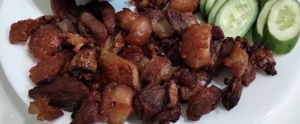
- Transfer to a serving plate and serve hot with rice.

Notes
Do not rush the simmering process. The longer the pork cooks gently, the more tender it becomes. I also recommend letting the pork brown properly during the frying stage because those crispy bits are the best part of the dish.
If you want a stronger garlic flavor, add extra garlic near the end of cooking. For a slightly smoky aroma, let some pieces caramelize a little longer in the oil. Just don't walk away from the stove because there's a very thin line between crispy and sunog.
Also, use cane vinegar if you can. The flavor feels more traditional.