Adobo Sa Asin (Filipino White Adobo)
Adobo sa Asin, also known as Adobong Puti, is a Filipino pork dish cooked with vinegar, salt, garlic, and spices instead of soy sauce. Unlike the dark adobo most people know, this version has a lighter color but a deeper garlic-and-vinegar flavor. The pork is simmered until tender, then fried in its own oil until crispy.


The first time I saw adobo sa asin, I thought somebody forgot the soy sauce. I grew up thinking adobo had one mandatory requirement: soy sauce. But after one bite, I completely understood the hype.
This version tastes cleaner, sharper, and somehow more "porky". The vinegar and garlic really stand out without soy sauce stealing the spotlight. The crispy edges? Dangerous. The kind of dangerous where you tell yourself one more piece lang, then suddenly half the kawali is gone.
I also love making this when I want adobo but don't want the usual heavy sauce. It feels rustic and simple. Finally, the smell of garlic frying in pork fat alone deserves its own award.

Ingredients
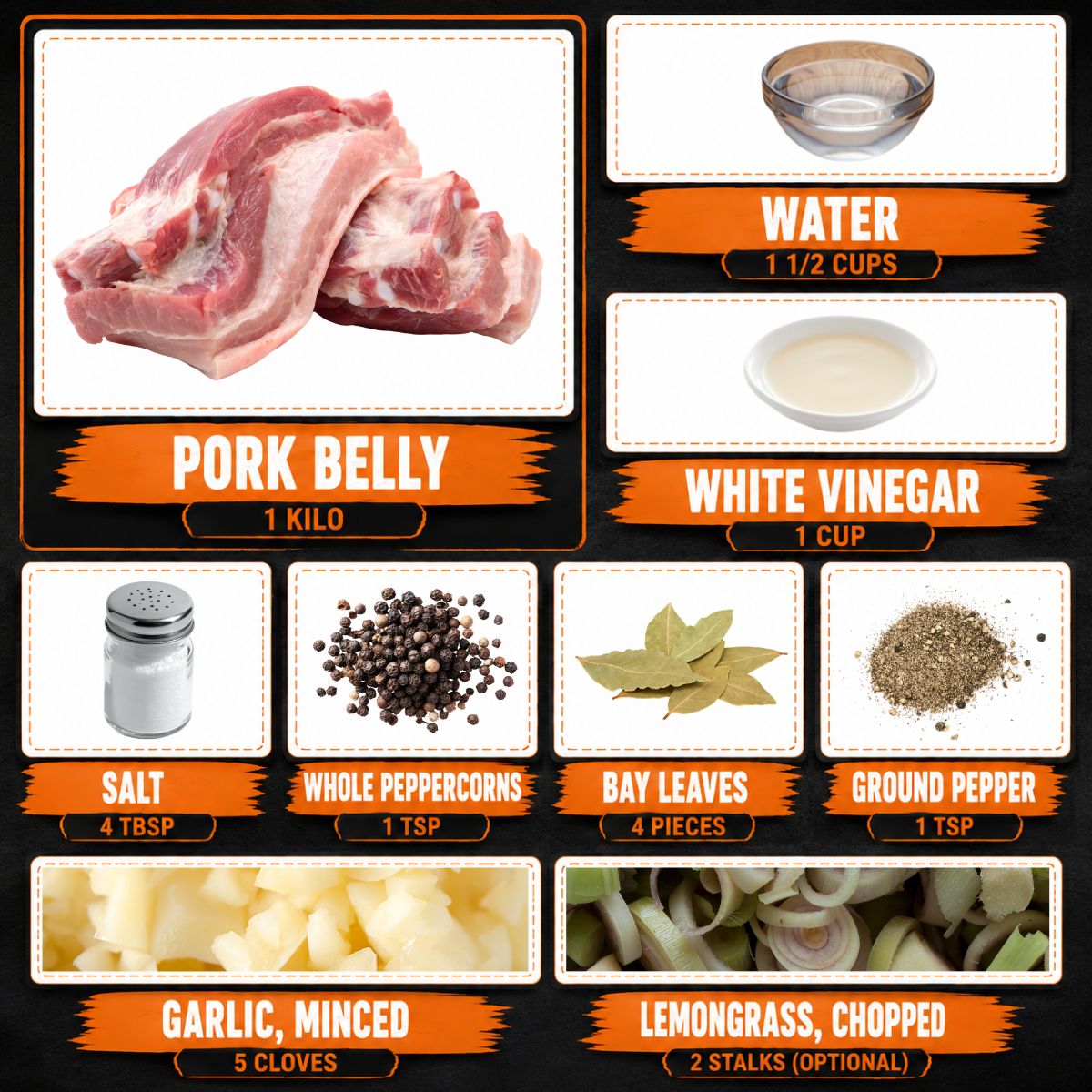
- 1 kilo pork belly, chopped into serving pieces
- 1 ½ cups water
- 1 cup white vinegar
- 4 tablespoons salt
- 1 teaspoon whole peppercorns
- 4 dried bay leaves (dahon ng laurel)
- 1 teaspoon ground black pepper
- 5 cloves garlic, minced
- 2 stalks lemongrass (tanglad), chopped (optional)
Pork belly is the best cut for this recipe because it becomes tender while still releasing enough oil to fry itself beautifully at the end. The vinegar gives the dish its tangy flavor, while salt replaces soy sauce and keeps the taste simple but bold. Garlic is absolutely non-negotiable here because it gives the adobo its savory flavor. Bay leaves and peppercorns add fragrance, while lemongrass gives a subtle fresh aroma without overpowering the classic adobo flavor.
How to Cook Adobo Sa Asin

Step 1
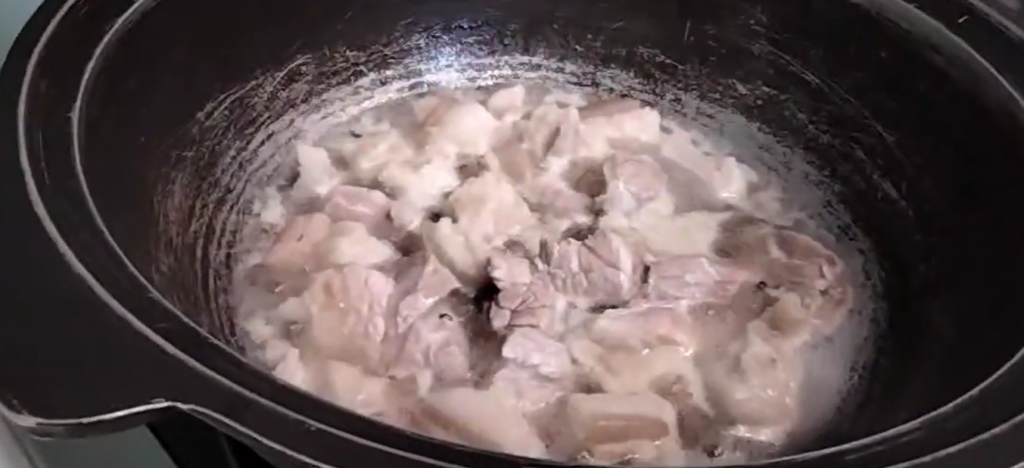
Place the pork in a deep pan or kawali. Add water, vinegar, salt, peppercorns, bay leaves, ground pepper, garlic, and lemongrass.
Step 2
Bring everything to a boil over medium heat.

Step 3
Cover the pan and let the pork simmer until tender. Stir occasionally and add a little water if needed.
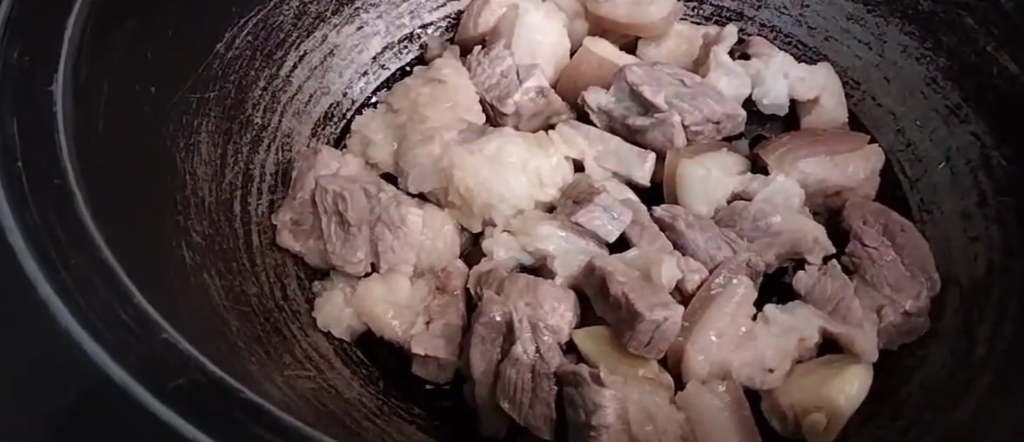
Step 4
Continue cooking until most of the liquid evaporates.
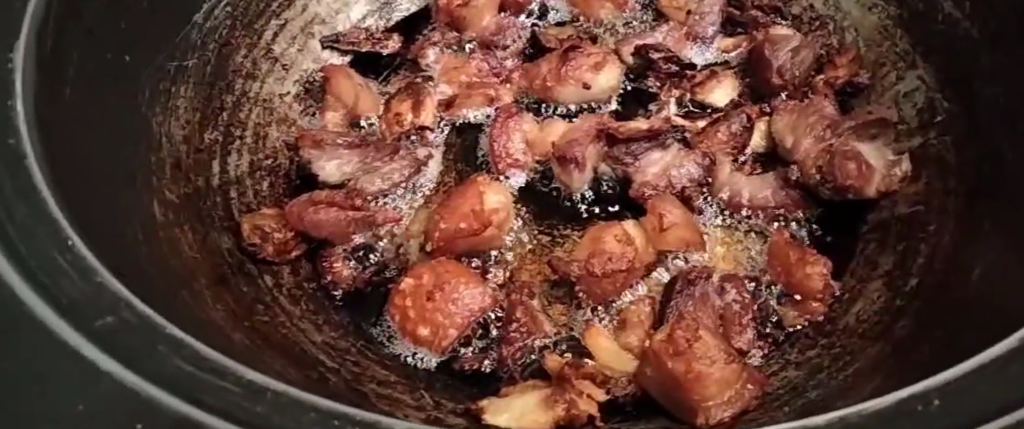
Step 5
Taste the sauce and adjust the seasoning if necessary.
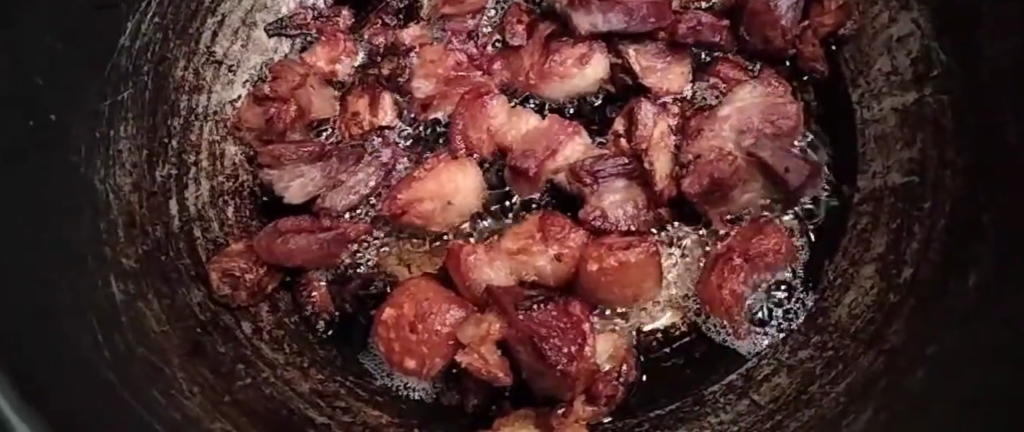
Step 6
Once the liquid is almost gone, allow the pork to cook in its own oil. Fry the pork pieces until browned and slightly crispy on the edges. Stir occasionally to prevent burning.
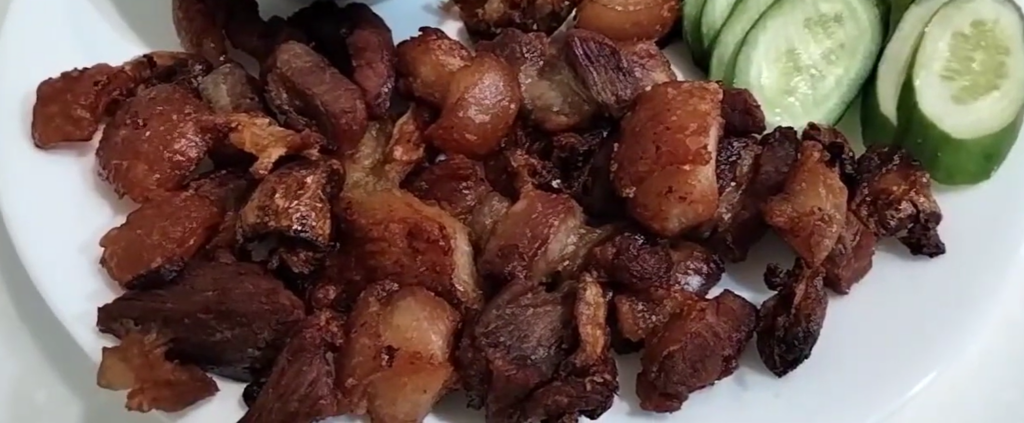
Step 7
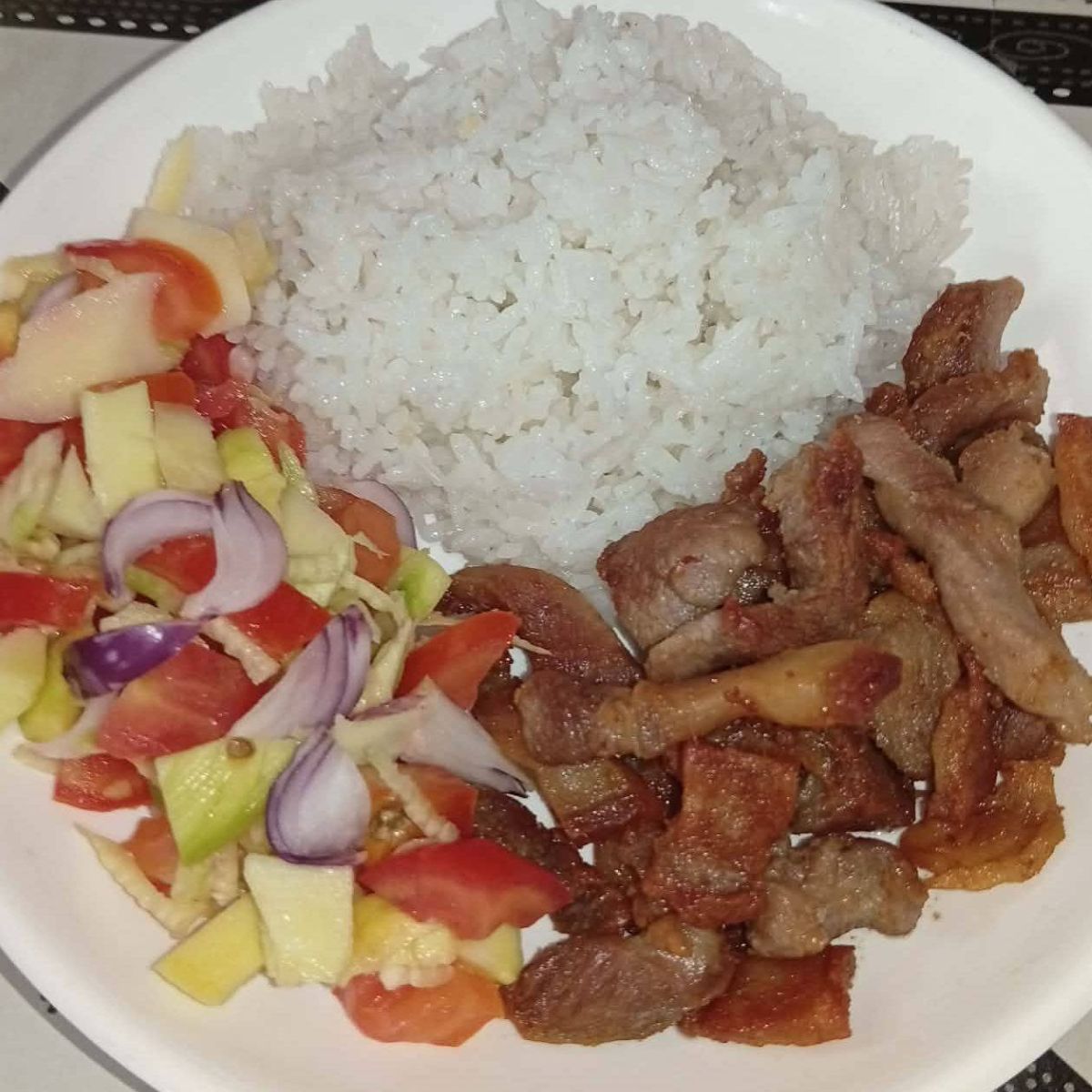
Transfer to a serving plate and serve hot with rice.
This is best served hot with a plate of steamed rice. I also love serving it with sliced tomatoes or atchara on the side to balance the richness. If you really want the full Filipino experience, pair it with an ice-cold soft drink while eating under a fan that's somehow still not enough against Philippine heat (LOL). Also, the leftovers taste even better the next day... if there are leftovers. That's a big "if."
Personal Tips
Do not rush the simmering process. The longer the pork cooks gently, the more tender it becomes. I also recommend letting the pork brown properly during the frying stage because those crispy bits are the best part of the dish.
If you want a stronger garlic flavor, add extra garlic near the end of cooking. For a slightly smoky aroma, let some pieces caramelize a little longer in the oil. Just don't walk away from the stove because there's a very thin line between crispy and sunog.
Also, use cane vinegar if you can. The flavor feels more traditional.
FAQ
Adobong Puti means "white adobo" because it does not use soy sauce, giving the dish a lighter color compared to traditional Filipino adobo.
Yes. Chicken works really well for this recipe. You can even combine chicken and pork for extra flavor.
Pork belly is the most popular choice because it becomes tender and crispy at the same time. Pork shoulder also works if you want something meatier.
No, it's optional. But it adds a fresh aroma that makes the dish smell good.
Store leftovers in an airtight container in the refrigerator for up to 3 days. Reheat in a pan for best results.
Make sure most of the liquid has evaporated before frying the pork in its own oil. Crowding the pan can also prevent crisping.
Yes. Start with less salt and adjust gradually to your taste. Different salts vary in saltiness, so it's better to season slowly.
Recipe Card
Adobo Sa Asin (Filipino White Adobo)
Ingredients
Method
- Place the pork in a deep pan or kawali. Add water, vinegar, salt, peppercorns, bay leaves, ground pepper, garlic, and lemongrass.

- Bring everything to a boil over medium heat.
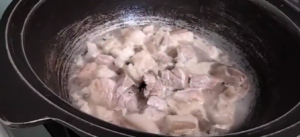
- Cover the pan and let the pork simmer until tender. Stir occasionally and add a little water if needed.

- Continue cooking until most of the liquid evaporates.

- Taste the sauce and adjust the seasoning if necessary.
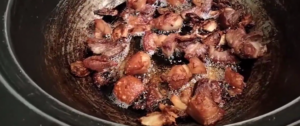
- Once the liquid is almost gone, allow the pork to cook in its own oil.

- Fry the pork pieces until browned and slightly crispy on the edges. Stir occasionally to prevent burning.
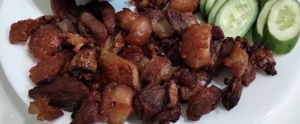
- Transfer to a serving plate and serve hot with rice.

Notes